



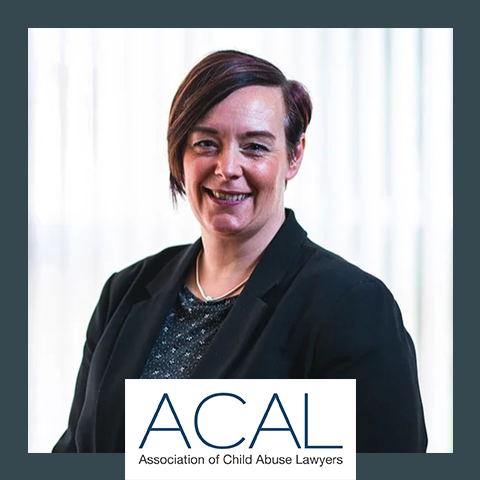
 Kim Overton
When a Criminal Injuries Compensation Authority (CICA) claim is rejected, specialist legal advice can make all the difference in achieving a successful outcome. A recent case handled by Sills & Betteridge demonstrates the importance of carefully reviewing the reasons for refusal and, where appropriate, continuing to challenge the decision.
Kim Overton a Personal Injury Partner and Member of the Association of Child Abuse Lawyers at Sills & Betteridge LLP was instructed by two siblings, in relation to childhood physical and sexual abuse. The sexual abuse was the primary focus of both applications, with evidence of physical abuse included to provide context about the neglectful environment in which the applicants had grown up.
Both applications were initially rejected by the CICA. Reviews were subsequently submitted, but both review decisions were also unsuccessful.
The CICA relied upon paragraph 22 of the CICA Scheme 2012, concluding that the abuse had not been reported to the police while the applicants were children. However, there was significant evidence capable of challenging that conclusion. Social services and medical records, together with similar fact evidence, supported the applicants' accounts and suggested that reports had been made to the police during their childhoods. Their status as children at the time of the abuse, alongside the serious and longstanding impact upon their mental health, was also relied upon in support of the applications.
Appeals were lodged with the First-tier Tribunal. During those proceedings, it became apparent that an error had been made in the CICA's review decisions - the decisions had only addressed the physical abuse elements, meaning that the Tribunal could not determine the sexual abuse claims — the primary reason for the applications.
Following detailed discussions with the Tribunal and the CICA's legal representative, the physical abuse claims were stayed and new applications were submitted concerning the sexual abuse.
Those new applications were rejected by the CICA at both first decision and review stage. Once again, Kim appealed.
The Tribunal subsequently considered the applicants' vulnerabilities, the appropriate procedures for dealing with their evidence and the similar evidence arising from the two cases. Further submissions were made before the Tribunal determined that the matters could be dealt with on paper. The stayed physical abuse claims were also reinstated so that the evidence could be considered together.
In May 2026, all four appeals succeeded — both the physical and sexual abuse claims for each applicant and they have now been returned to the CICA for offers to be made.
This case demonstrates that a CICA rejection should not automatically be viewed as the final outcome. Where there is evidence to challenge a decision, there may be further avenues available, including review and appeal.
For these clients persistence was crucial. Kim did not simply accept the initial refusals. The claims were reviewed, appealed, reconsidered, reapplied for and appealed again — ultimately resulting in success in all four appeals.
If your CICA application has been rejected, obtaining specialist legal advice may help you understand whether the decision can be challenged and what steps can be taken next.
For more about Kim, including her contact details, please see here